
Introduction
Biotechnology and life science research help us understand living cells, tissues, genes, proteins, and microorganisms. This work is used in many areas, including medicine, pharmaceuticals, healthcare, agriculture, and scientific research.
A good laboratory needs the right tools to carry out this work safely and accurately. Researchers may work with very small samples, sensitive cells, or biological materials that need careful handling. The right equipment can make these tasks easier and help researchers get consistent results.
This blog explores the key laboratory equipment for biotechnology and life science research, including tools used for cell research, sample preparation, and bioprocessing.
Laboratory Equipment for Cell and Molecular Research
Cell and molecular research often involves working with DNA, RNA, cells, and other biological materials. These experiments require careful handling because small changes during a process can affect the final result.
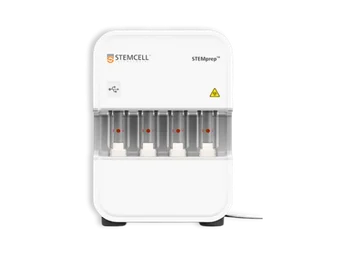
One important technology used in this area is Electroporation Systems. They help researchers introduce materials such as DNA or RNA into cells using controlled electrical pulses. This method is useful in different research applications, including gene studies and cell engineering.
When selecting laboratory equipment for biotechnology, researchers should consider the cells they work with, sample volume, available settings, and how often the equipment will be used. Equipment that is simple to operate can also make everyday laboratory work more convenient.
Laboratory Equipment for Sample Preparation
Sample preparation is often one of the first steps in a research process. It may involve separating materials, preparing cells, or breaking down tissue before further testing.
Manual preparation can take a lot of time and may produce differences between samples. Modern instruments can help reduce this problem by providing more controlled and repeatable processes.
For example, Tissue Dissociators can help researchers prepare tissue samples for further study. They are useful in areas such as cell biology, tissue research, and other life science applications.
Another common laboratory process is sample separation. Centrifuges are used to separate different components of a sample through controlled spinning. Depending on the application, they can be used for cells, proteins, blood samples, and other biological materials.
When choosing equipment for sample preparation, researchers should look at the type of sample, expected workload, capacity, and the processes that will be performed after preparation.
Laboratory Equipment for Cell Culture and Bioprocessing
Cell culture is another important part of biotechnology research. Researchers need to maintain suitable conditions when growing cells or microorganisms. Factors such as temperature, pH, oxygen, and mixing can affect the growth process.
Bioreactors are designed to provide controlled conditions for cell growth and other biological processes. They can be used in research, process development, and applications where larger volumes need to be handled.
The right system depends on the type of cells or microorganisms being studied and the size of the process. Researchers should also think about whether their requirements may increase in the future.
Choosing the right laboratory equipment for biotechnology that can support future work helps laboratories avoid frequent upgrades as research needs and applications continue to grow.
Factors to Consider Before Buying Laboratory Equipment
Buying laboratory equipment is a long-term decision. The cheapest option is not always the best choice, and the most advanced model may not always be necessary.
Researchers should first understand what they actually need. Product specifications, operating capacity, ease of use, safety features, maintenance, warranty, and availability of spare parts should all be considered.
It is also useful to work with an experienced laboratory equipment distributor in India that understands different laboratory applications. A knowledgeable supplier can help customers compare products and select equipment based on their actual requirements.
Consumables and accessories should also be considered. Some instruments may require specific tubes, plates, rotors, reagents, or other accessories. Checking these requirements before purchase can prevent problems later.
Good technical support is another important factor. Installation, training, maintenance, and after-sales service can make a big difference when using laboratory equipment regularly.
Building a Reliable Research Laboratory
A modern research laboratory does not need every available instrument. What matters is having equipment that matches the work being performed.
Researchers should think about their current applications as well as their future plans. A laboratory that works mainly on cell research may have different requirements from a pharmaceutical quality control laboratory.
It is also helpful to choose products from established manufacturers and maintain a good relationship with the supplier. This can make it easier to get technical information, accessories, consumables, and service when required.
With more than 34 years of experience in the laboratory and life science industry, Labmate Asia supports research laboratories, universities, hospitals, pharmaceutical companies, and other organizations across India.
Labmate Asia provides laboratory equipment for biotechnology, along with laboratory instruments, consumables, and life science solutions from trusted global manufacturers. Its team also assists customers with product selection, finalisation, installation, and after-sales support.
The right laboratory equipment can make research work easier, more organised, and more reliable. From cell and molecular research to tissue preparation, sample separation, and bioprocessing, each type of equipment has a specific role.
Before purchasing, researchers should consider their application, sample type, workload, budget, maintenance needs, and future requirements. They should also look beyond the product itself and consider the quality of technical and after-sales support.
A well-planned laboratory setup does not have to include every instrument available in the market. The goal is to select reliable equipment that fits the laboratory’s actual work and helps researchers carry out their studies with confidence.