
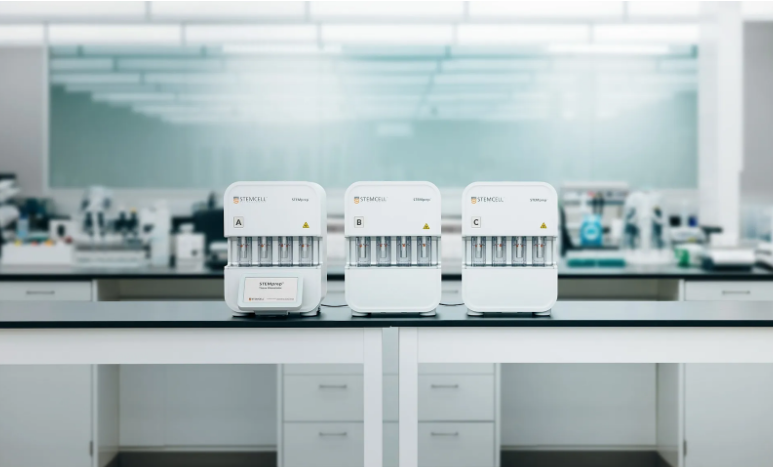
Tissue dissociator is an important tool used to break solid tissue into single cells. If you are looking for the best tissue dissociator in India, Labmate Asia is a trusted lab equipment distributor in India.
Introduction
Many research labs work with solid tissues. These tissues must be broken down into single cells before testing. This process is called tissue dissociation. It is an important step for studies in cancer research, immunology, stem cell research, and drug testing.
Good tissue dissociation helps researchers get healthy single cells. These cells are used for flow cytometry, cell culture, and single cell sequencing. Poor tissue dissociation can damage cells and affect research results.
Choosing the right tissue dissociator is not easy. Labs must think about cell health, repeatability, time, and ease of use. This blog explains how to choose a tissue dissociator for a research lab in a simple and clear way.
What Is Tissue Dissociator
Tissue dissociation is the process of turning solid tissue into single cells. Tissues are made of many cells held together by proteins. These cells must be gently separated without damage.
There are two main methods for tissue dissociation.
Mechanical dissociation uses force like chopping or grinding.
Enzymatic dissociation uses enzymes to break cell connections.
Many labs use both methods together. The goal is to get many living cells with normal function.
Why Tissue Dissociation Quality Matters
Good tissue dissociation gives healthy cells. These cells behave like they do in the body. This is important for correct research results.
Poor tissue dissociation can cause problems.
- Low cell viability
- Broken cell surfaces
- Loss of cell markers
- Inconsistent results
These problems can affect experiments and waste time and samples. That is why choosing the right tissue dissociation system matters.
Manual vs Automated Tissue Dissociation
Many labs still use manual methods. These include scissors, blades, and hand mixing. Manual methods depend on the person doing the work. This can cause variation between samples.
Automated tissue dissociation systems help reduce this problem. They follow set programs and give similar results every time. Automation supports better tissue dissociation across many experiments.
Key differences include.
- Manual methods depend on skill
- Automated systems follow set steps
- Manual work takes more time
- Automated systems improve repeatability
For labs that process many samples, automated tissue dissociation can improve workflow.
Key Factors to Consider When Choosing a Tissue Dissociator
Sample Type
Different tissues need different handling. Soft tissues like spleen are easier to dissociate. Hard tissues like tumor or skin need more control.
A good tissue dissociator should work with many tissue types. Flexible programs help adapt tissue dissociation for different samples.
Cell Viability
Cell viability means how many cells stay alive after tissue dissociation. High viability is important for accurate research.
Look for systems that gently mix tissue. Controlled motion and temperature help protect cells during tissue dissociation.
Temperature Control
Temperature affects enzymes and cells. Some tissues need cold conditions. Others need warmth.
A tissue dissociator with temperature control allows better tissue dissociation. This helps protect cell markers and cell function.
Reproducibility
Reproducibility means getting the same results every time. This is important for published research.
Automated tissue dissociation systems reduce variation. Programs run the same way for each sample.
This improves trust in tissue dissociation results.
Throughput Needs
Some labs process few samples. Others process many.
Choose a tissue dissociator that fits lab needs. Systems may handle four eight or twelve samples at once. Modular options allow labs to grow without changing methods.
Ease of Use
Lab tools should be easy to learn. A simple interface helps new users.
Clear steps and saved programs make tissue dissociation easier for everyone in the lab.
Protocol Flexibility
Each lab has unique needs. Some follow standard protocols. Others develop new methods.
A tissue dissociator should allow both. This supports different tissue dissociation workflows.
Role of Automation in Tissue Dissociation
Automation supports consistency. Automated tissue dissociation removes guesswork.
Benefits include.
- Same conditions for each sample
- Less hands on time
- Better planning of lab work
- Improved cell quality
Automation does not replace good research. It supports careful tissue dissociation and better outcomes.
Common Applications That Need Good Tissue Dissociation
Tissue dissociation is used in many research areas.
- Cancer research studies tumor cells
- Immunology studies immune cells
- Stem cell research studies cell growth
- Drug research tests cell response
In all cases good tissue dissociation improves data quality.
Example of Modern Tissue Dissociation Systems
Modern systems focus on standardization and control. Some include heating and cooling. Others allow multiple samples.
STEMprep Tissue Dissociation System is an example used in many research labs. It supports automated tissue dissociation with controlled conditions and flexible protocols.
You can learn more about automated tissue dissociation concepts from STEMCELL Technologies tissue dissociation resources
How Labmate Asia Supports Research Labs
Labmate Asia is a lab equipment distributor in India. It supports labs with research tools and technical guidance.
Labmate Asia works with STEMCELL Technologies to support tissue dissociation solutions in research labs across Asia.
You can explore more about Labmate Asia
Internal Resource for Researchers
To understand single cell workflows after tissue dissociation you may find this useful
single cell research workflow guide
This internal guide explains how tissue dissociation fits into downstream analysis.
Tips for Choosing the Right Tissue Dissociator
Ask these questions before choosing.
- What tissues do we process most
- How many samples per day
- Do we need temperature control
- Is repeatability important for our work
- Can protocols be changed easily
Clear answers help select the right tissue dissociation system.
Training and Support
Even the best tissue dissociator needs proper use. Training helps users understand settings and protocols.
Good support ensures tissue dissociation runs smoothly over time.
Future of Tissue Dissociation in Research
Research is moving toward single cell analysis. This increases the need for reliable tissue dissociation.
Automation and standardization will continue to grow. Labs will focus more on data quality and repeatability.
Choosing the right tissue dissociator today helps prepare for future research needs.
Frequently Asked Questions
1. What is tissue dissociation used for
Tissue dissociation is used to turn solid tissue into single cells. These cells are used for analysis like flow cytometry and sequencing.
2. Why is automated tissue dissociation important
Automated tissue dissociation improves consistency and reduces variation between samples.
3. Does tissue dissociation affect cell function
Yes poor tissue dissociation can damage cells. Controlled methods help protect cell function.
4. Can one tissue dissociator handle different tissues
Many modern systems support different tissue types using adjustable programs.
5. Is temperature control needed for tissue dissociation
Temperature control helps protect cells and improve enzyme activity during tissue dissociation.